

Product
Coagulants
Coagulants are widely used in physicochemical treatment to break emulsions and dispersions, releasing small colloidal particles.
These solids are dispersed or emulsified rather than dissolved. More information follows.
What are coagulants
Coagulation destabilises colloidal particles by neutralising their charge with an added chemical. Coagulants are generally metal salts such as iron chloride, ferric chloride and polyaluminium chlorides, usually dosed as liquids. They may also form part of a formulated powder or a separate first treatment stage. They are sometimes grouped with flocculants because small flocs appear after dosing.
However, a flocculant or polyelectrolyte produces effective floc growth. Coagulants are important for streams containing paint and ink pigments, whose dispersions and emulsions benefit from coagulation before solids flocculation.
The process
Positively charged iron or aluminium ions neutralise the negative charge on colloidal particles. Coagulants are therefore often based on iron or aluminium chlorides or modified variants. Neutral particles no longer repel one another and can aggregate, settle or float. Coagulation is often the first stage in physicochemical treatment.
Types of coagulants
Chemtrade International supplies coagulants in small packs, including 10 kg cans, and IBCs. We can test which product suits your application. Sulphate free products with low chloride content are available where needed, particularly in closed circuits where chloride accumulation is undesirable and conductivity must remain low. High conductivity and salt loading can accelerate corrosion of wetted plant components, such as water cooled saw blades in natural stone processing. Salt deposits can also cause fouling or blockages.
Coagulant acidity
Most coagulants are acidic, sometimes as low as pH 1, so dosing affects the water’s pH. Effective flocculation requires a neutral pH. If a large dose is needed to break emulsions and dispersions, neutralisation with an alkaline agent such as sodium hydroxide or milk of lime is necessary.
There is much to consider in treatment, and we can advise you. Contact us to discuss the options.
Other products
-
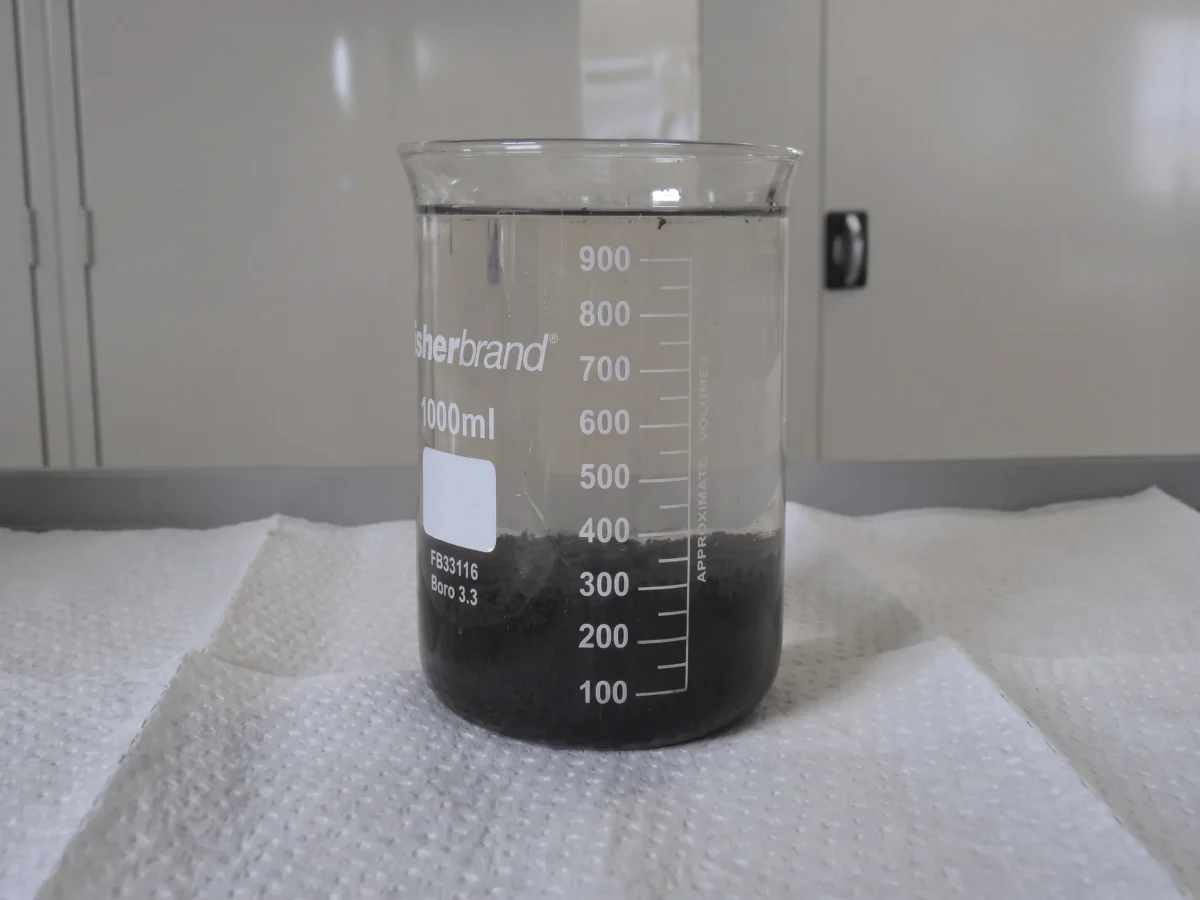 Flocculants
 are widely used treatment chemicals, also known as polymers, polyelectrolytes or flocculation aids.
-
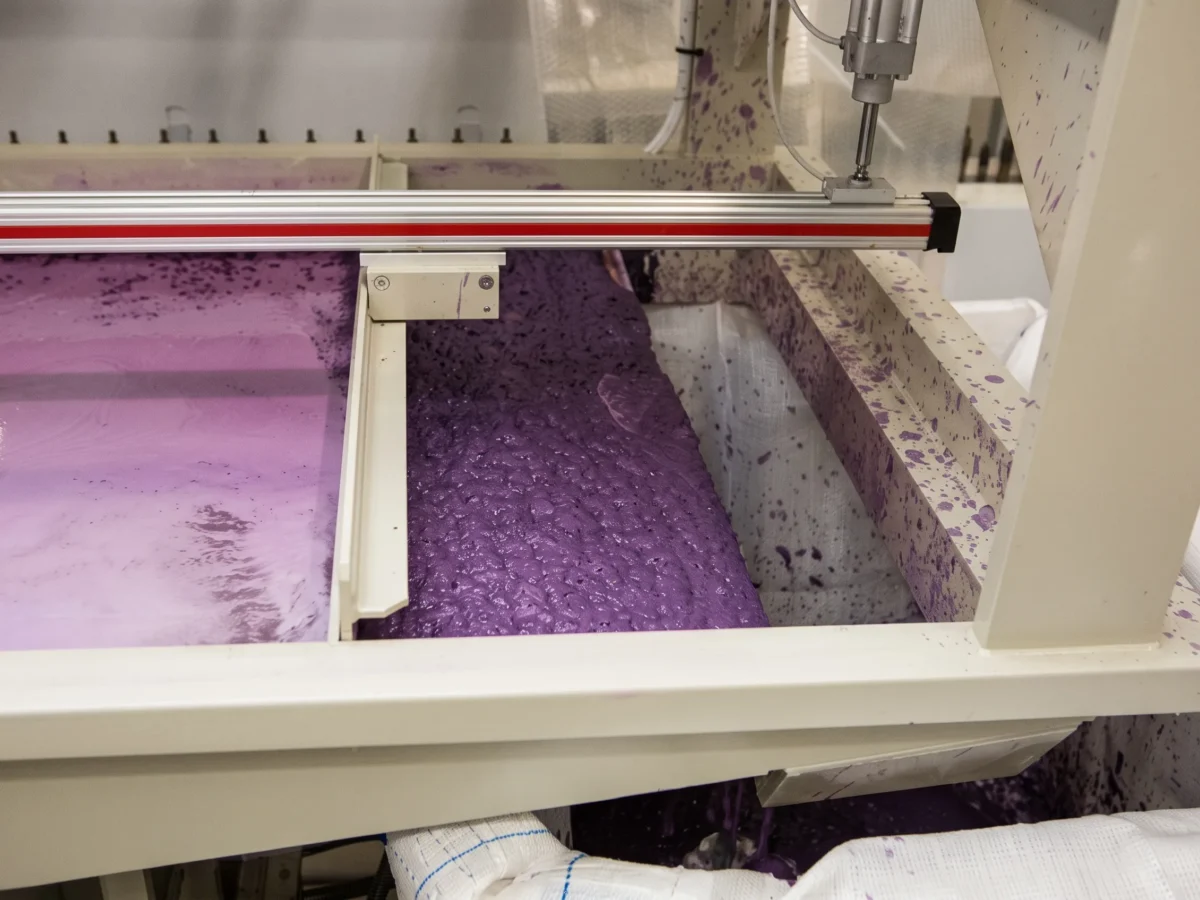 Paint detackifiers and coagulants
EFAGOL is a speciality coagulant and detackifier for wastewater from paint and coating applications.
-
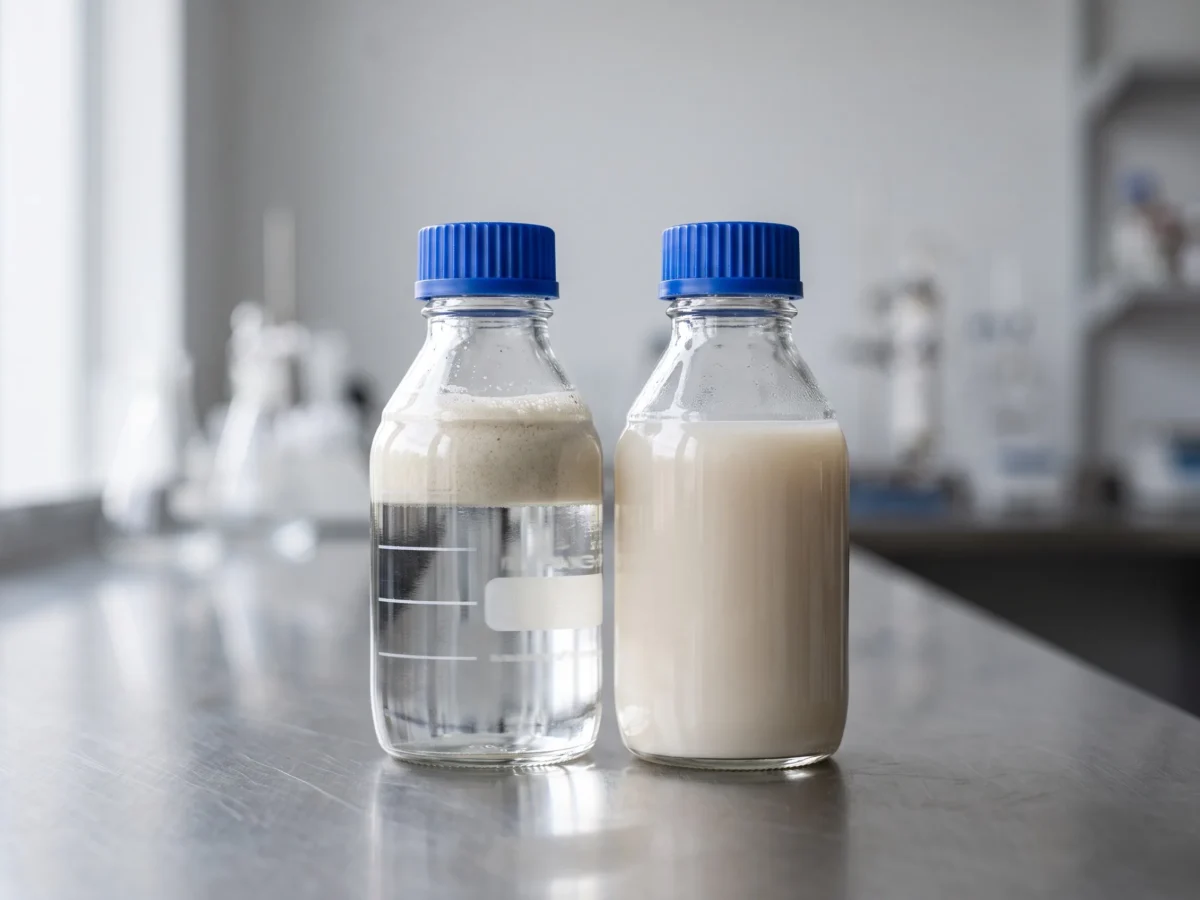 Emulsion breakers
EFAMULS is a highly effective, high purity separation agent for water and wastewater treatment.
-
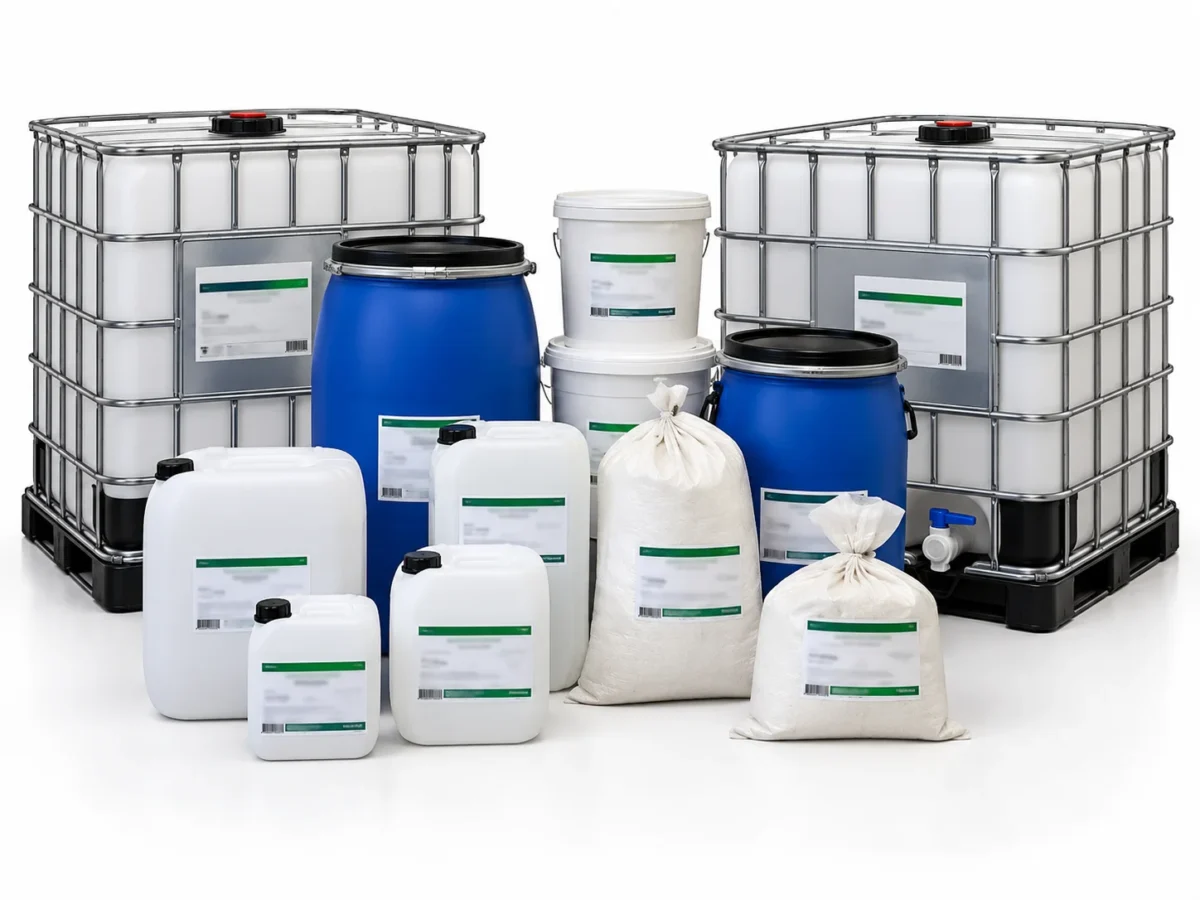 Speciality chemicals
Chemtrade International B.V. also offers speciality chemicals for wastewater treatment.
-
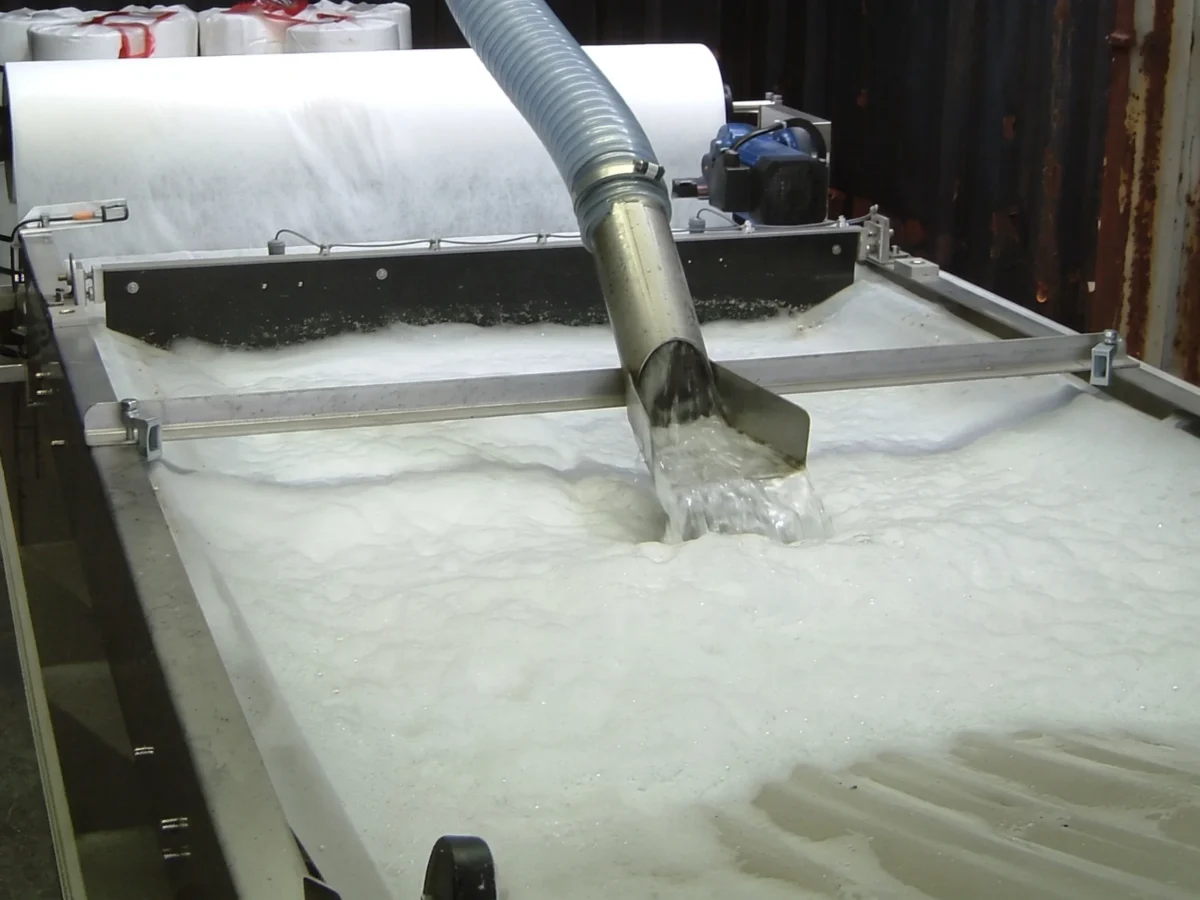 Defoamers
Excessive foaming can be a serious problem when processing and/or manufacturing a wide range of products.
-
 Phosphates
Chemtrade International B.V. also offers a broad range of phosphate products.
-
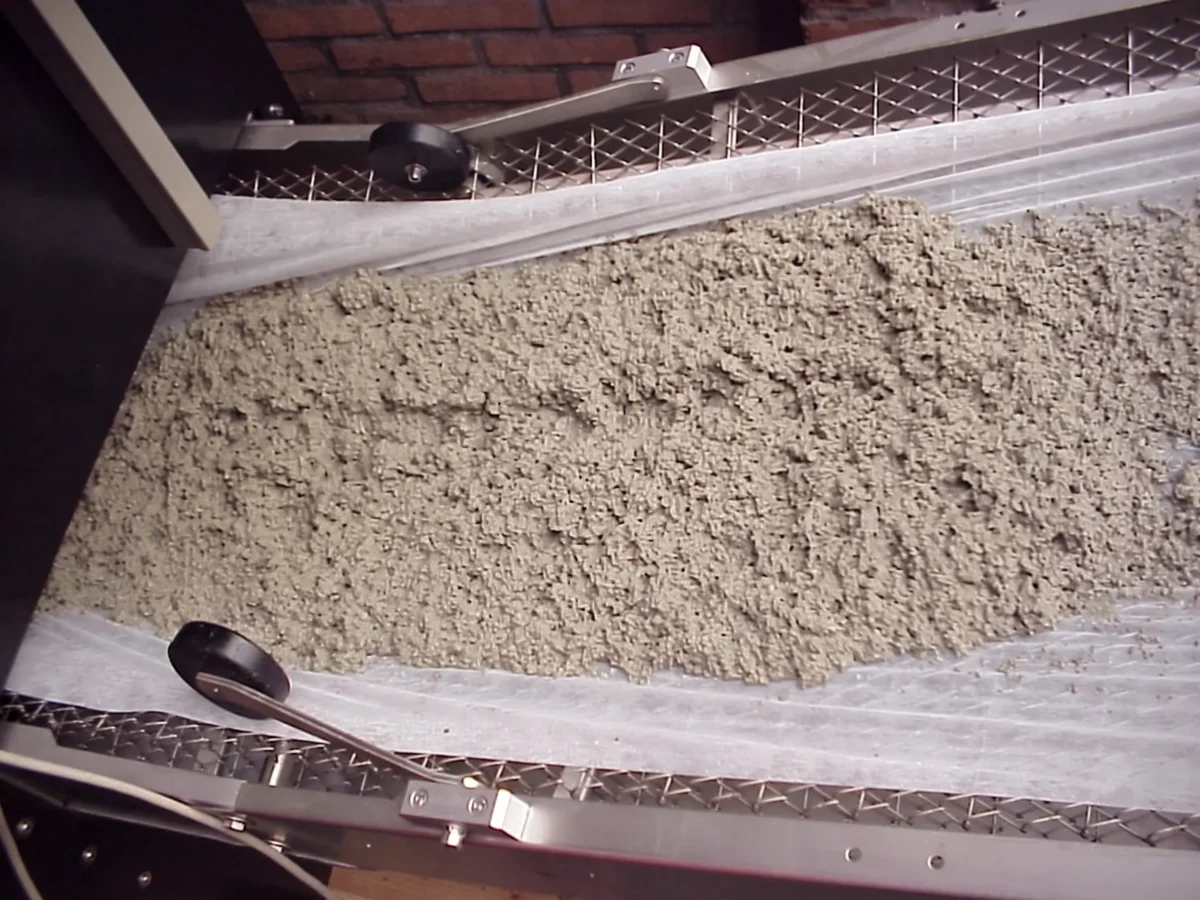 Filter materials
There are various methods and filter materials for dewatering sludge from wastewater treatment.
-
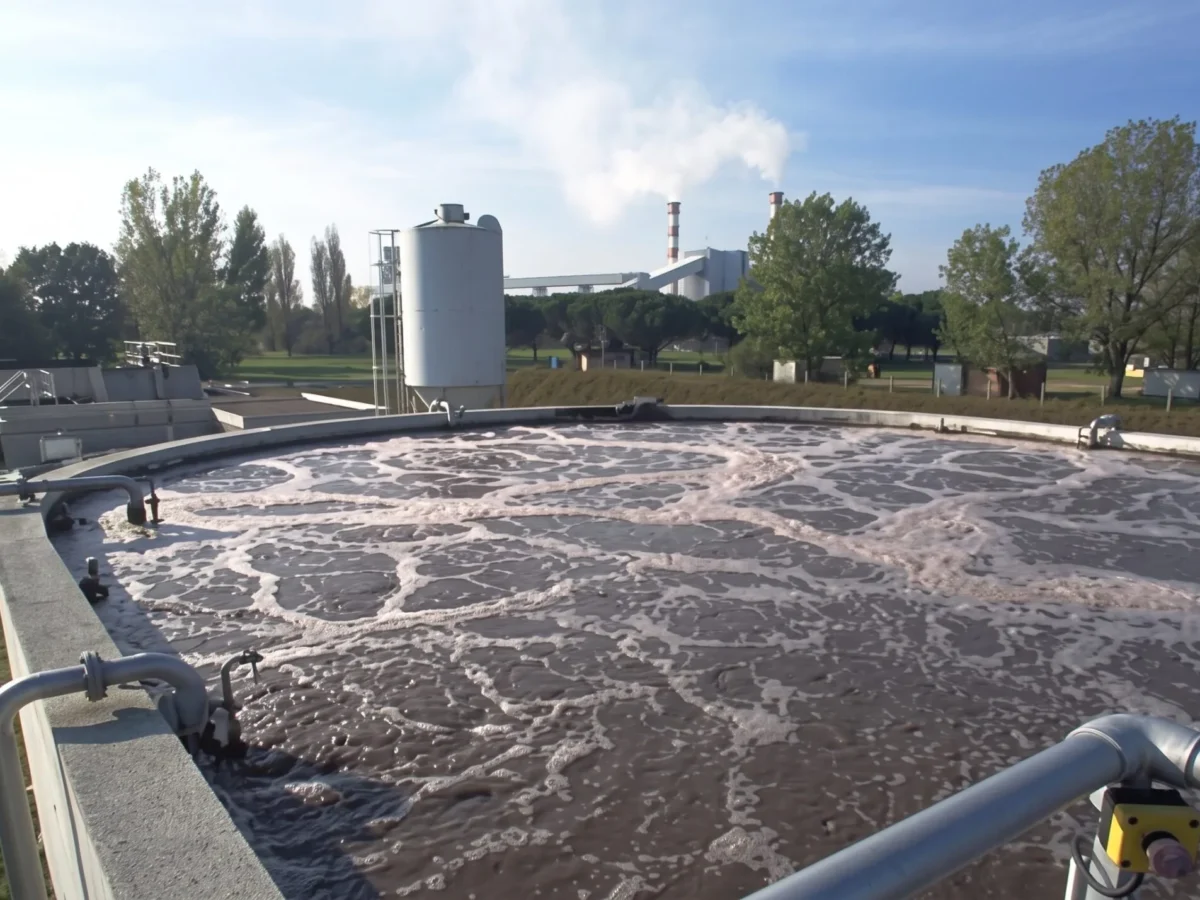 Odour control agents
Bacterial activity in wastewater can cause unpleasant odours as the water begins to decompose.
-
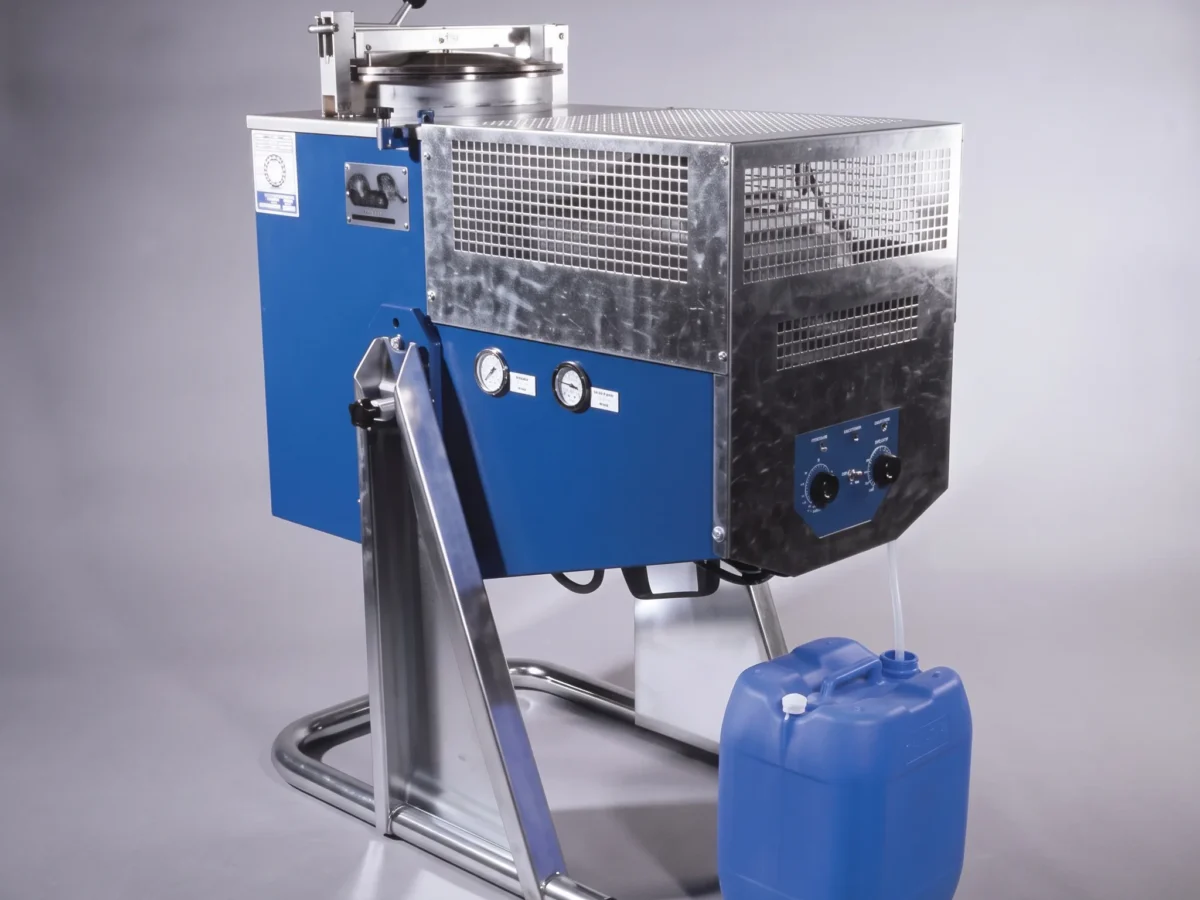 Other products
Chemtrade International also supplies: Defoamers, Antiscalants, Odour control agents, pH regulators, including…
Contact us with no obligation
We help you find a solution that enables you to comply with the discharge limits that apply to you.
- AddressDe Nieuwe Vaart 28
1401 GR Bussum - Phone+31 (0)35 694 74 54
- Email info@chemtrade.nl