

Product
Flocculants
Flocculants are widely used treatment chemicals, also known as polymers, polyelectrolytes or flocculation aids.
They bind free solids in wastewater together.
How flocculation works
Solids bind into flocs that become heavier and settle faster, accelerating separation of sludge and clean water. Air bubbles added from below can attach to the flocs and provide buoyancy. Flotation is useful with dissolved air flotation (DAF) units or skimmers and speeds up treatment. Flocs are more readily removed by filtration.
Types of flocculants
Flocculants have different forms and properties. Depending on the contamination, options include:
- Anionic
- Cationic
- Non-ionic
- High charge density
- Low charge density
Most types are available as powders or granules and as liquid emulsions.
Preparing flocculants
Both forms must be prepared before use by dissolving or dispersing the powder, granules or liquid in water. Powder or granule concentrations are generally 0.1–0.5%; liquid preparations may reach 1–2%.
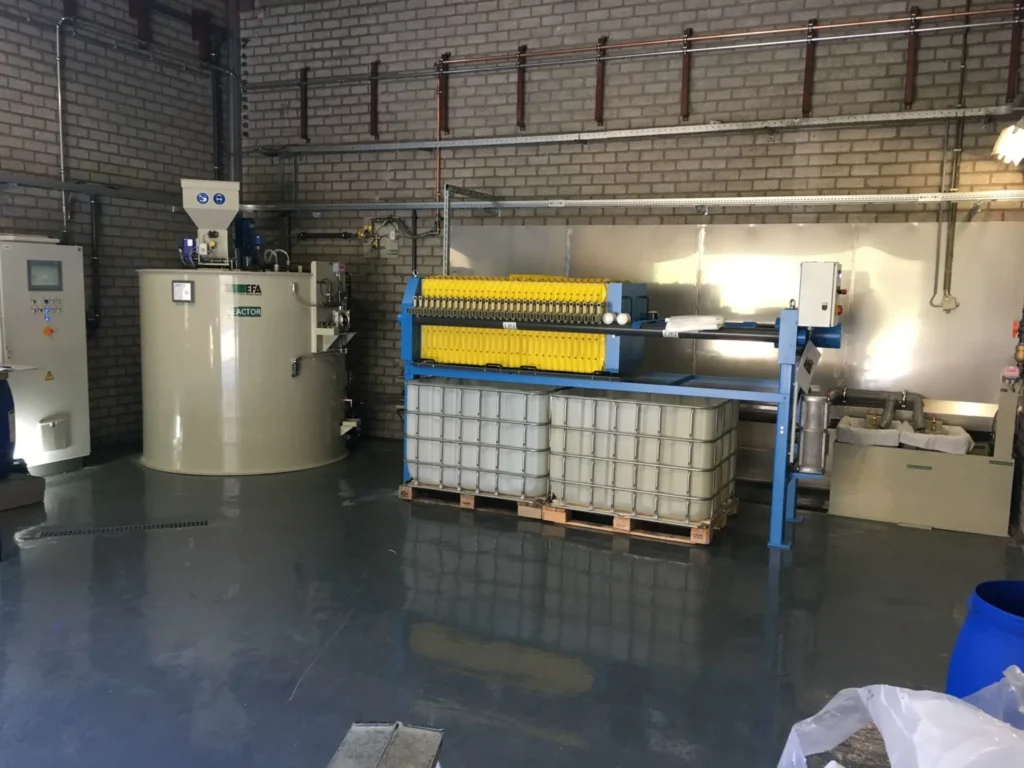
Polymer preparation stations can be set to the required concentration and feed the prepared solution into the wastewater. They can also include a maturation chamber.
Allowing the polymer to mature before dosing improves performance by giving its chains time to uncoil fully.
Chemtrade and flocculants
We offer a broad range, from small quantities starting at 15 kg to pallet deliveries from 1,000 kg. We also supply preparation systems, from simple mixing tanks to fully automatic three chamber units. Flocculants are commonly used with coagulants.
Other products
-
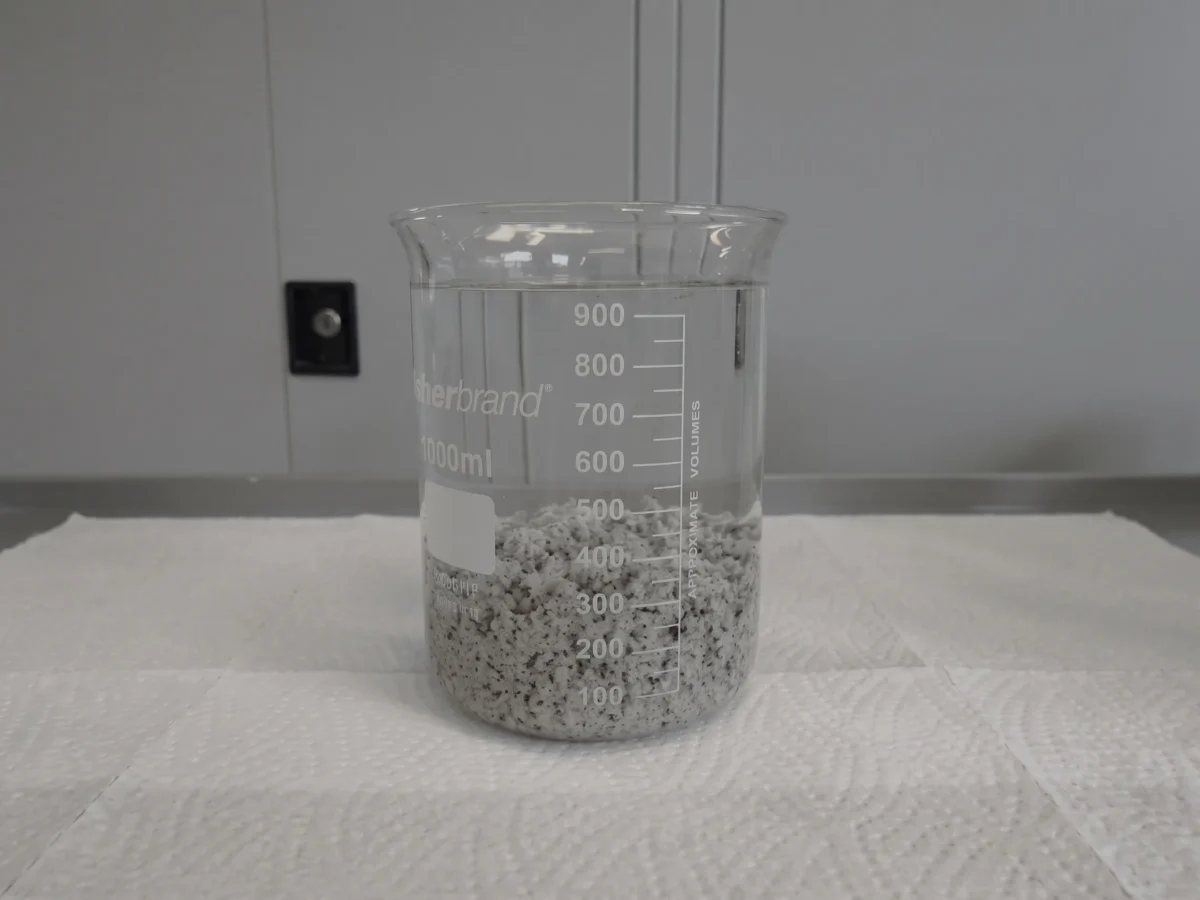 Coagulants
 are widely used in physicochemical treatment to break emulsions and dispersions, releasing small colloidal particles.
-
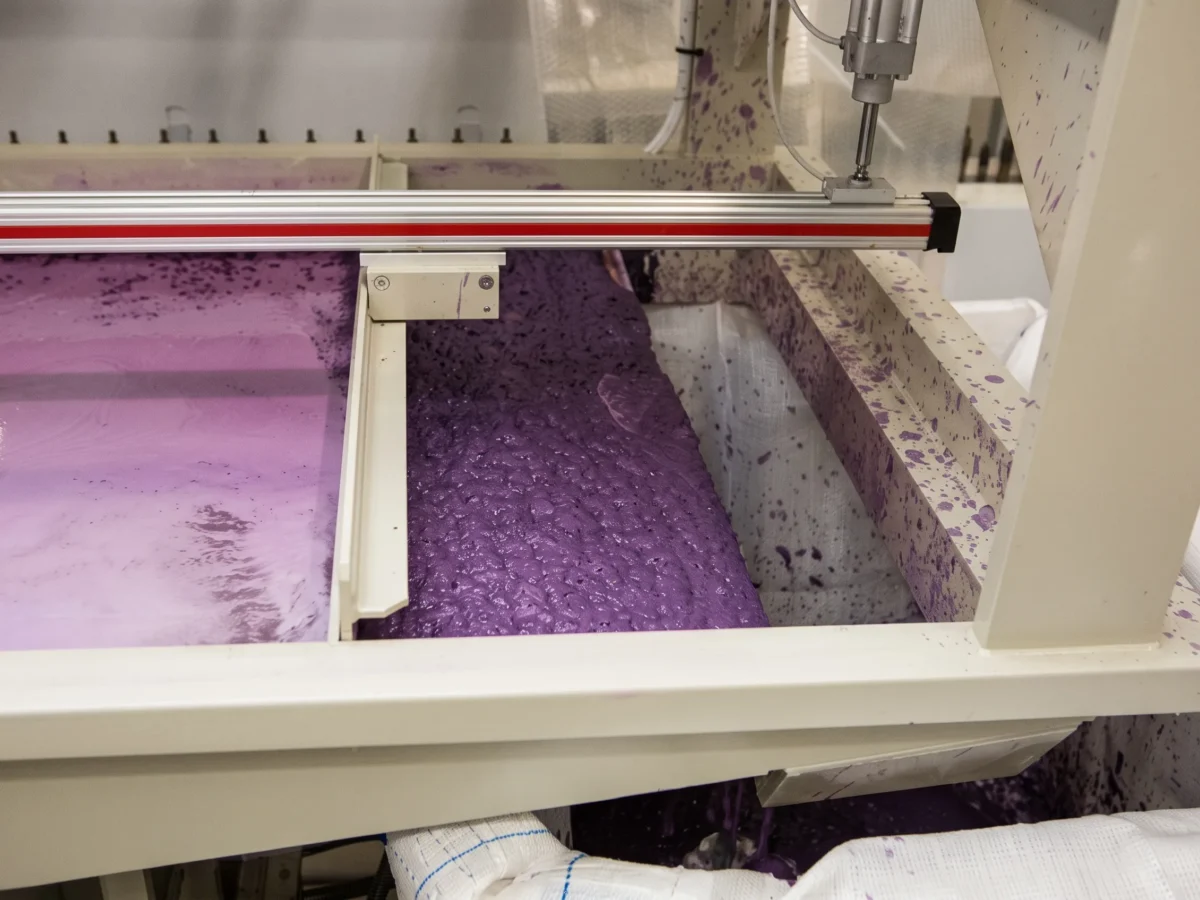 Paint detackifiers and coagulants
EFAGOL is a speciality coagulant and detackifier for wastewater from paint and coating applications.
-
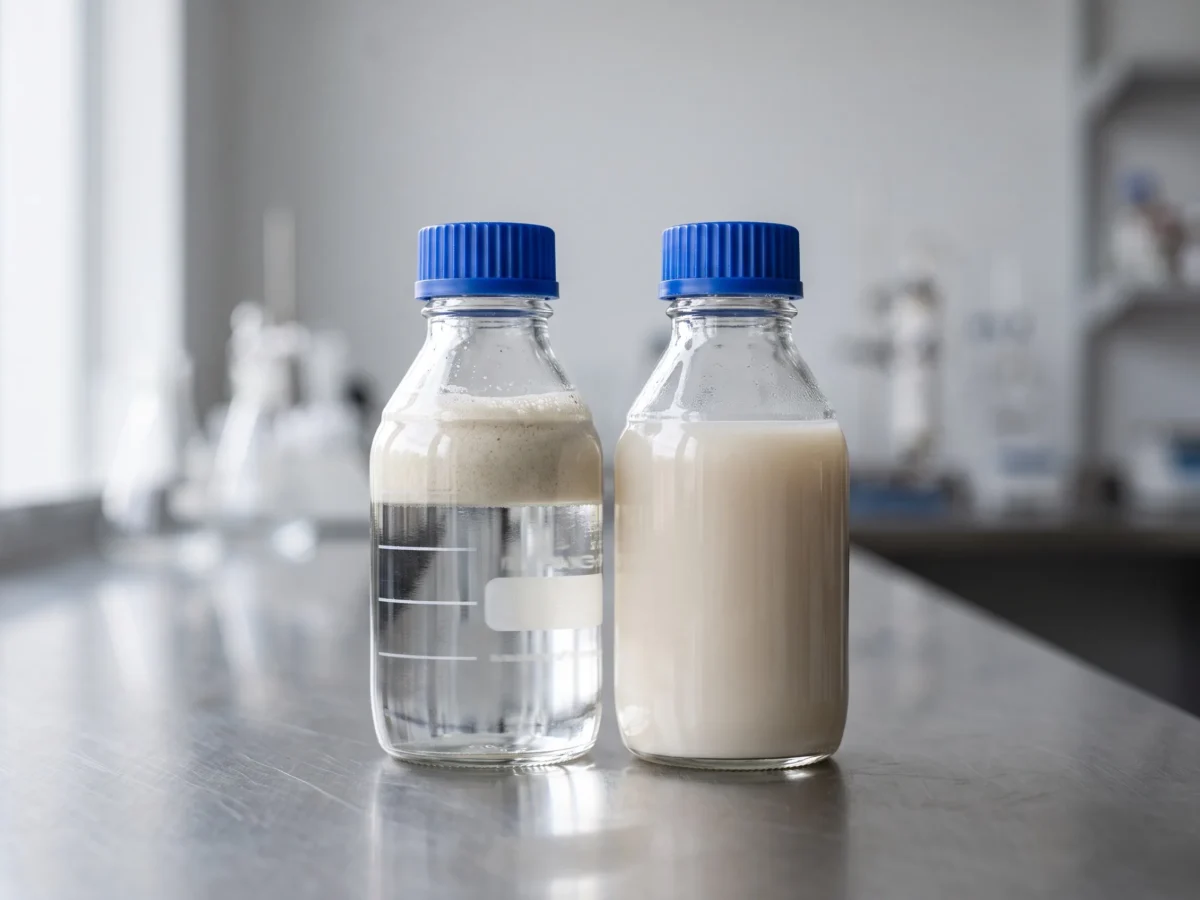 Emulsion breakers
EFAMULS is a highly effective, high purity separation agent for water and wastewater treatment.
-
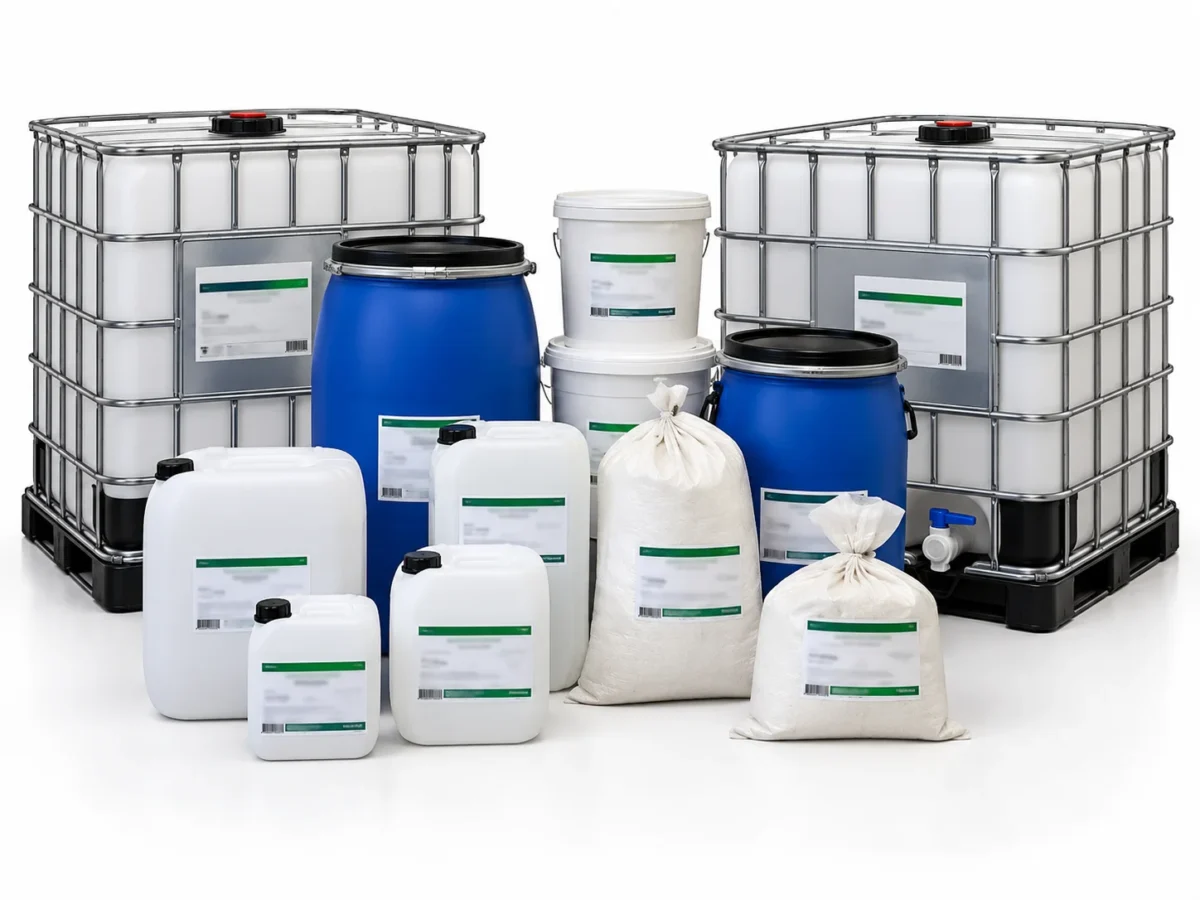 Speciality chemicals
Chemtrade International B.V. also offers speciality chemicals for wastewater treatment.
-
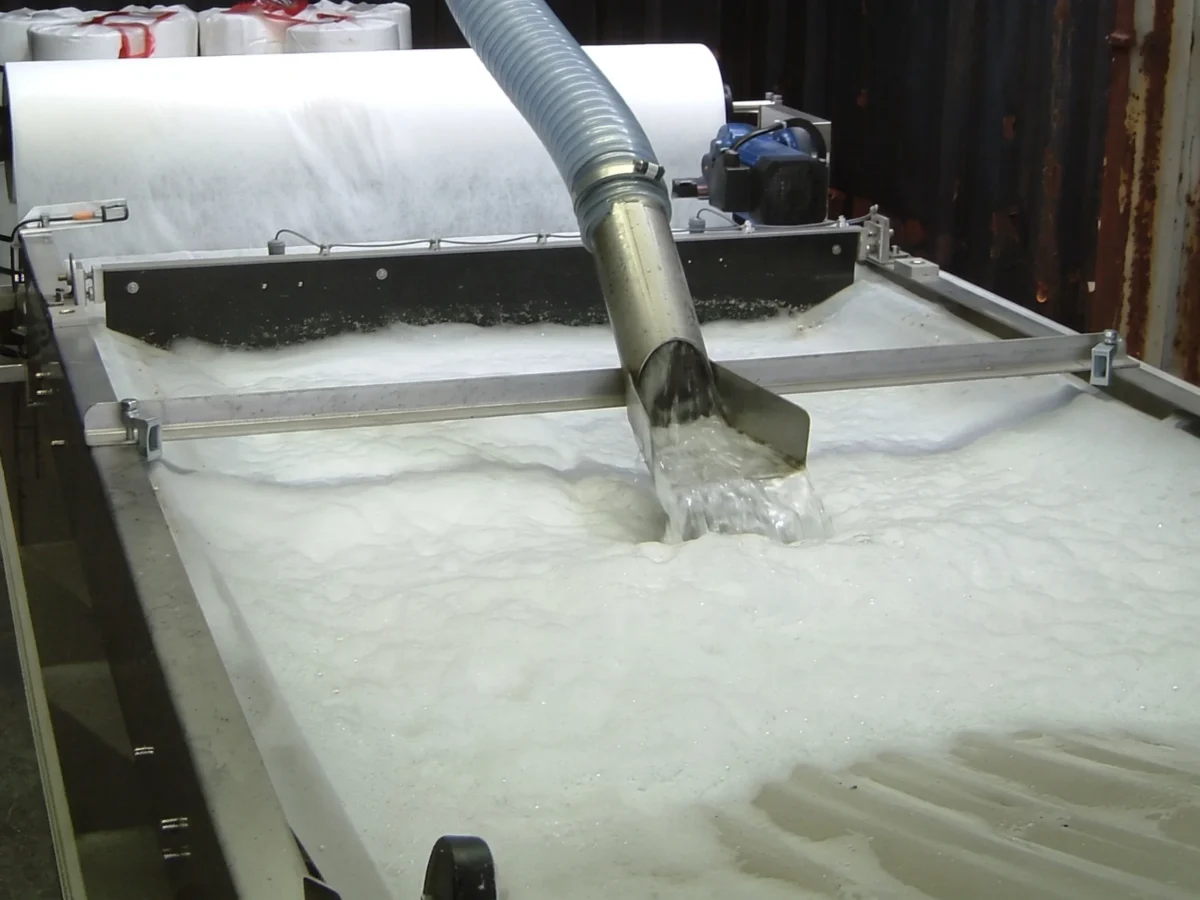 Defoamers
Excessive foaming can be a serious problem when processing and/or manufacturing a wide range of products.
-
 Phosphates
Chemtrade International B.V. also offers a broad range of phosphate products.
-
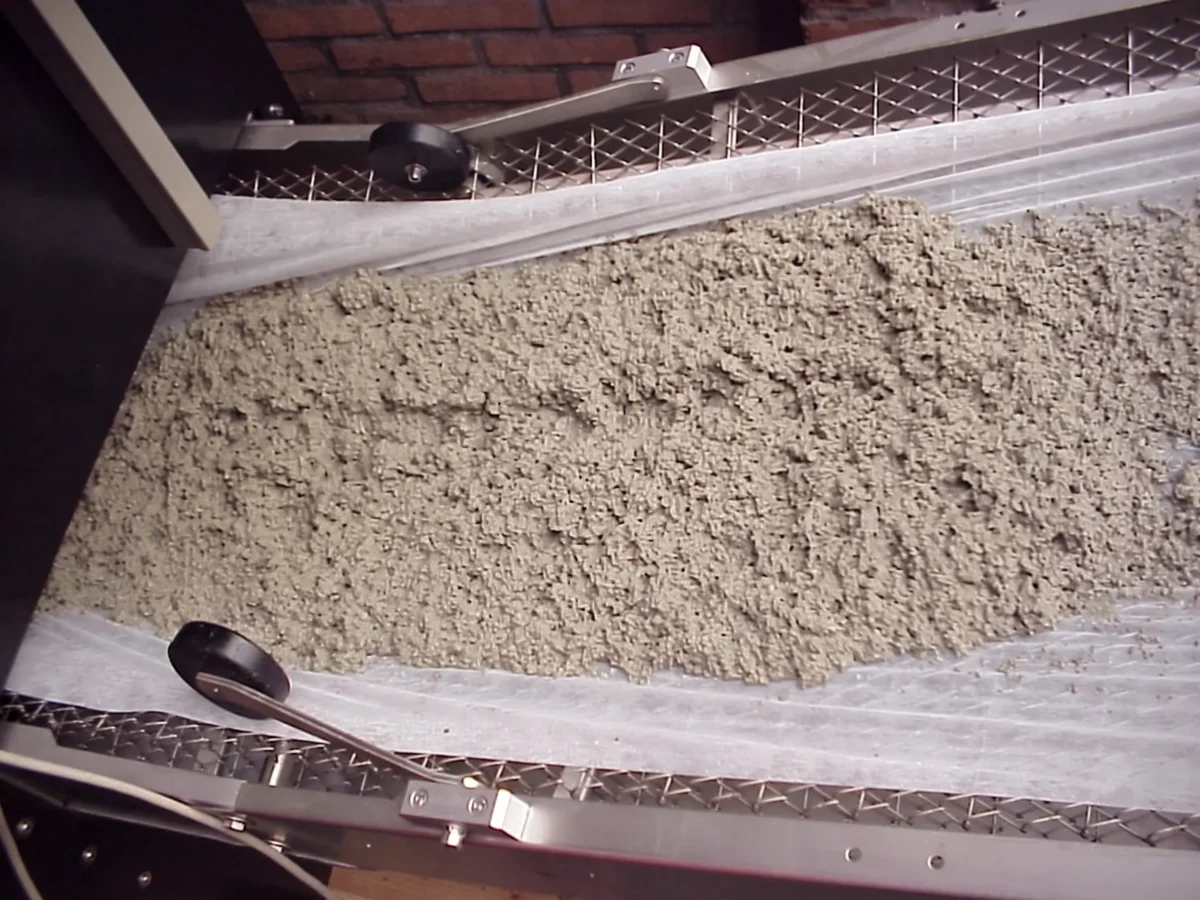 Filter materials
There are various methods and filter materials for dewatering sludge from wastewater treatment.
-
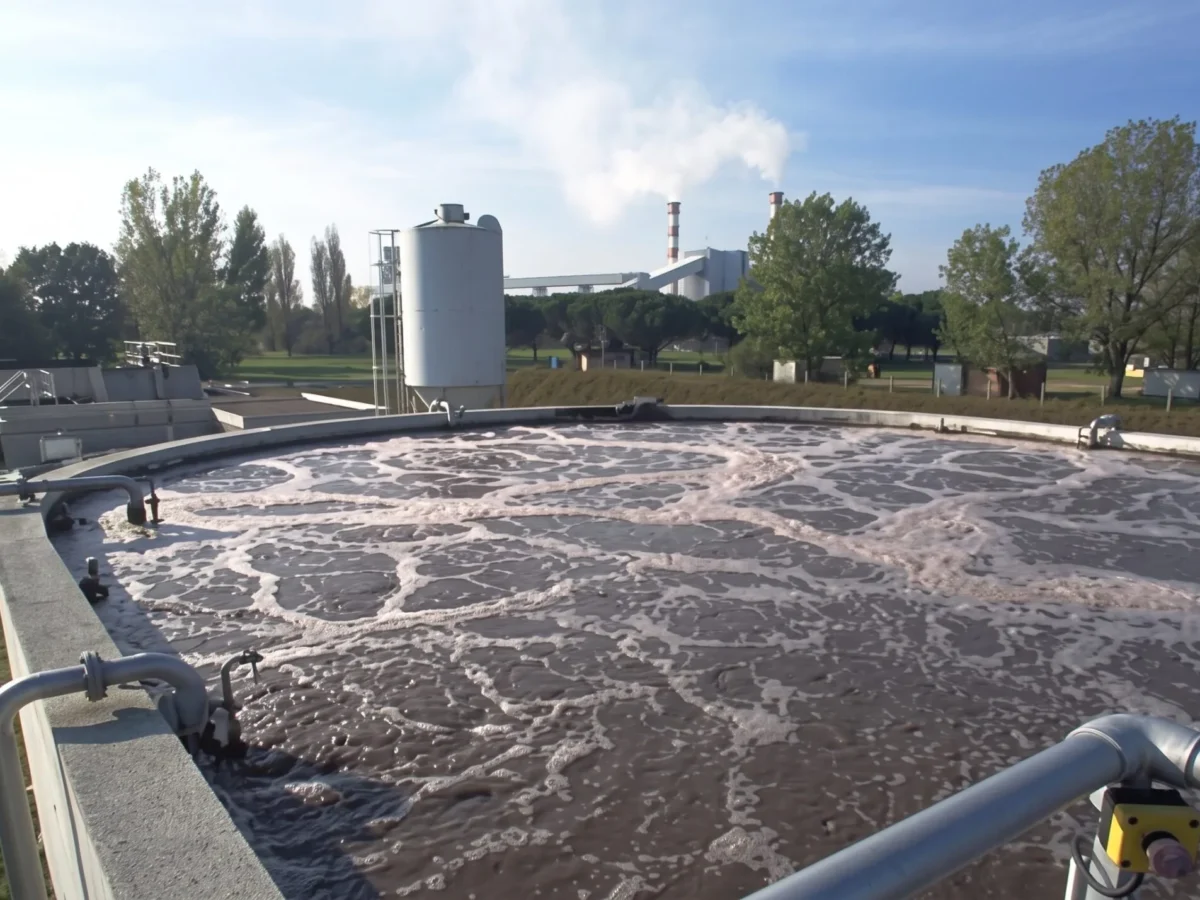 Odour control agents
Bacterial activity in wastewater can cause unpleasant odours as the water begins to decompose.
-
 Other products
Chemtrade International also supplies: Defoamers, Antiscalants, Odour control agents, pH regulators, including…
Contact us with no obligation
We help you find a solution that enables you to comply with the discharge limits that apply to you.
- AddressDe Nieuwe Vaart 28
1401 GR Bussum - Phone+31 (0)35 694 74 54
- Email info@chemtrade.nl