

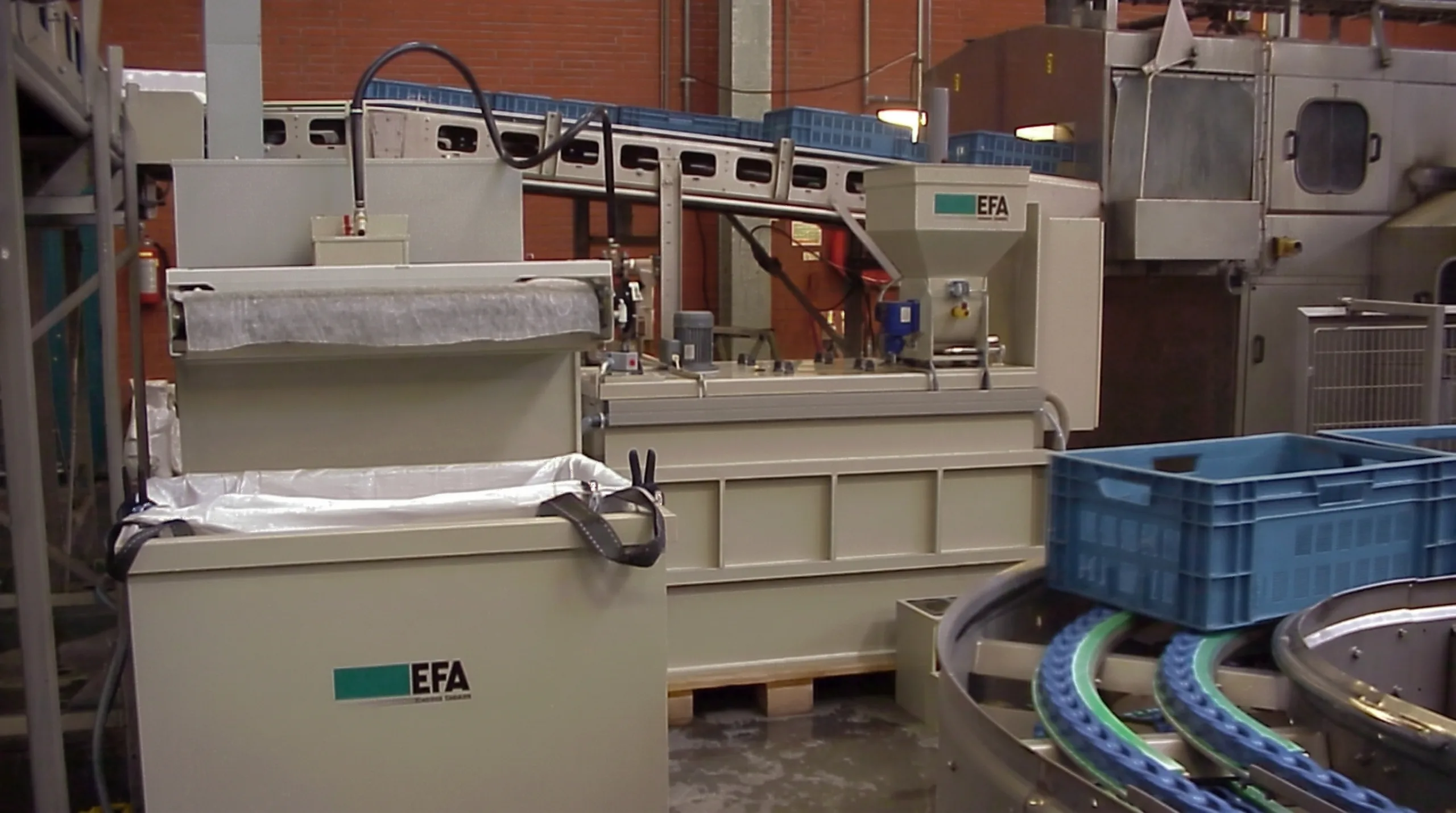
Plastics recycling
Water is used to remove contaminants from plastics and recover the cleanest possible granulate.
Processes
Washing also separates plastics by density: PET and PS sink in ordinary water, while HDPE and PP float. The plastics are therefore washed and sorted simultaneously. Water additives can adjust which plastics float or sink.
The water is generally recirculated for a period and cleaned through physicochemical treatment. Without treatment, contamination would accumulate and water service life would be very short.
Chemicals
Treatment generally uses a coagulant and a flocculant. A cationic flocculant may suffice, but a two stage approach usually gives the best results. Requirements also depend on the waste plastic: PET bottles introduce different contaminants from film or toothpaste tubes.
Some contaminants affect recycling water pH, requiring correction. Water is often too acidic and needs sodium hydroxide to reach a neutral range in which the flocculant works effectively.
pH correction → coagulation → flocculation
Treatment systems
Depending on plant size and wash water volume, the entire stream or only a portion can be treated.
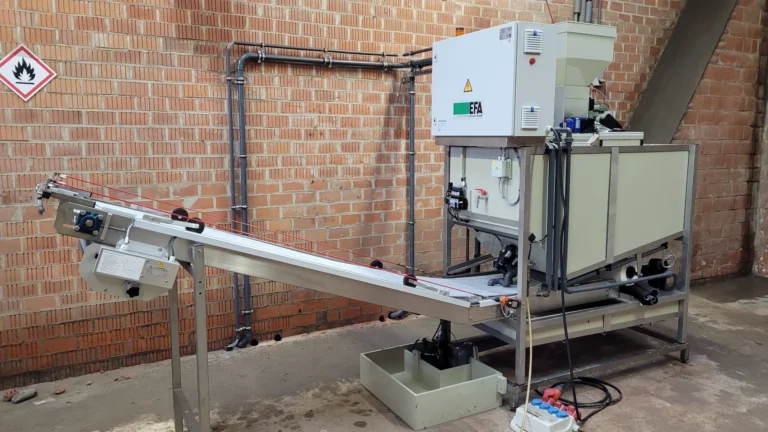
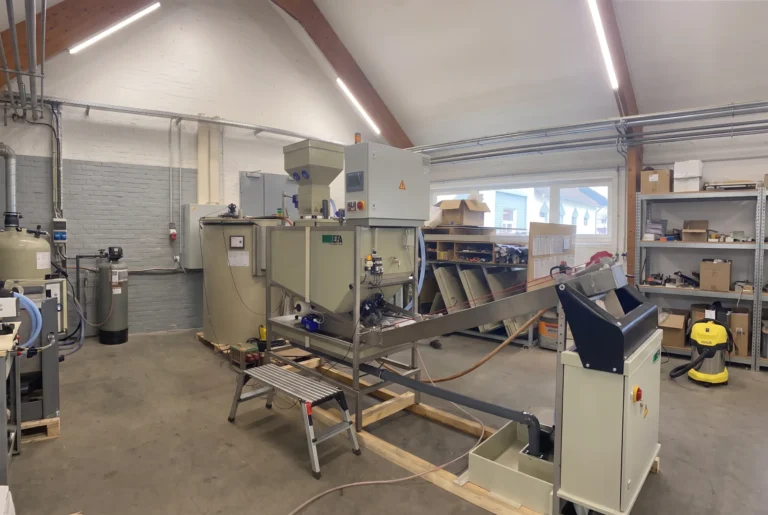
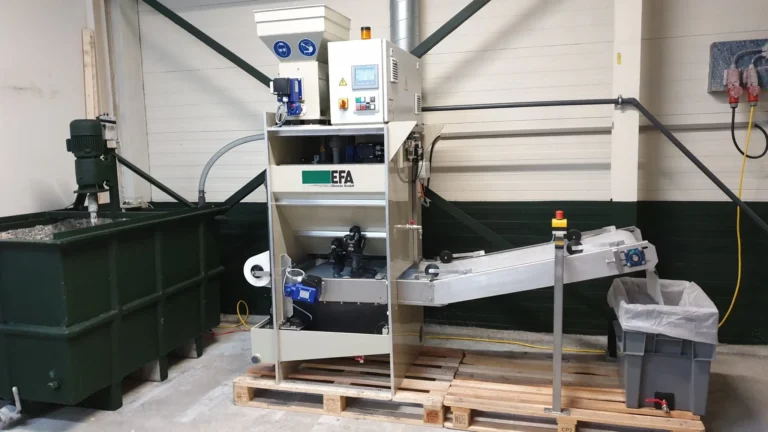
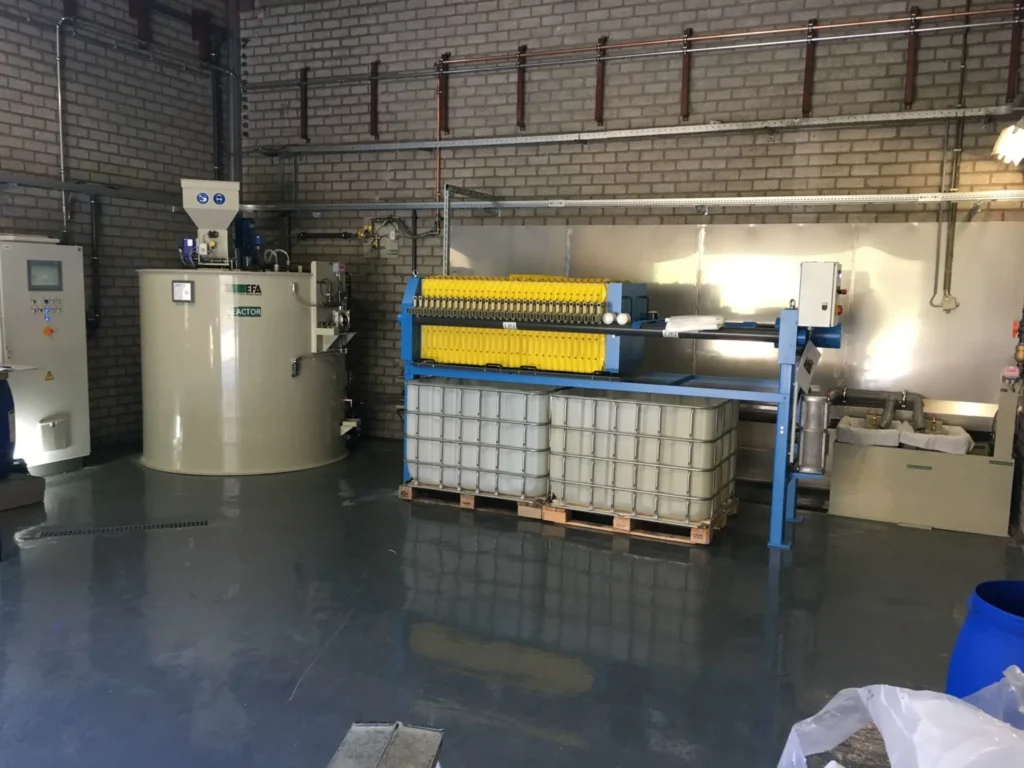
Treatment uses a continuous flow system with inline chemical dosing, because a continuous water supply is required and a volume cannot be temporarily removed for batch treatment. Continuous make up water is needed to compensate for evaporation and water lost with sludge.
Contaminants can be separated using a DAF unit, lamella separator or Dortmund settling tank.
Contact us to discuss the possibilities for your project.
Products and systems
-
 Wastewater chemistry
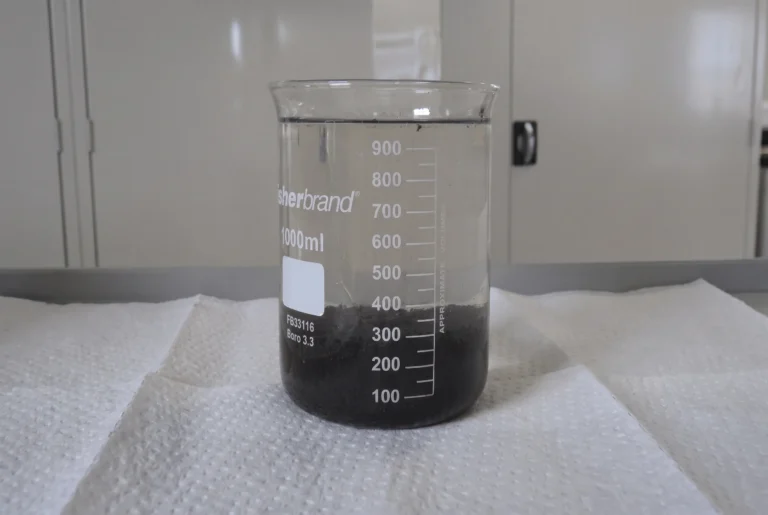
Flocculants
Flocculants are widely used treatment chemicals, also known as polymers, polyelectrolytes or flocculation aids.
-
 Wastewater chemistry
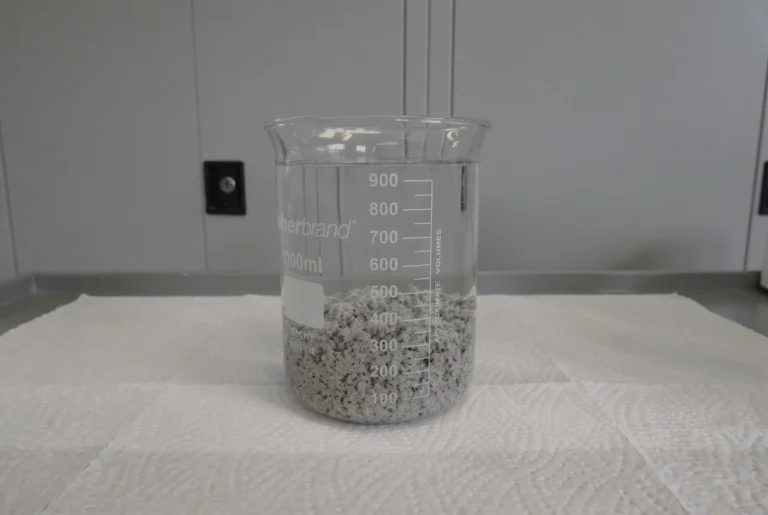
Coagulants
Coagulants are widely used in physicochemical treatment to break emulsions and dispersions, releasing small colloidal particles.
-
 Systems
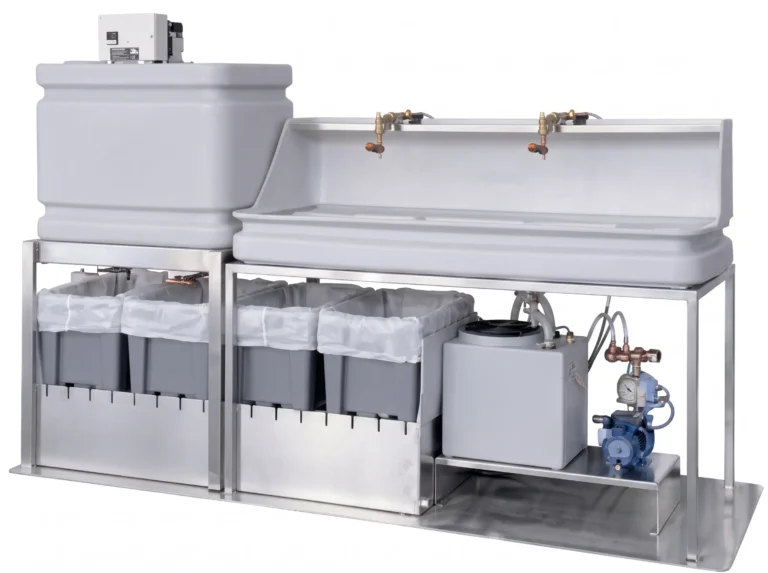
Compact systems
These compact systems are easy to install and allow you to treat small quantities of wastewater or rinsing water simply.
-
 Systems
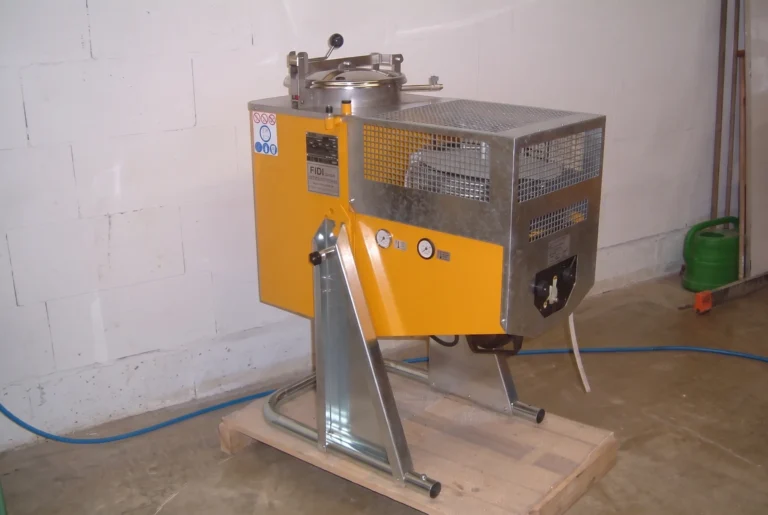
Distillation and evaporation
Want to save up to 65% on solvent based cleaning agents and up to 95% on chemical waste costs?
-
 Systems
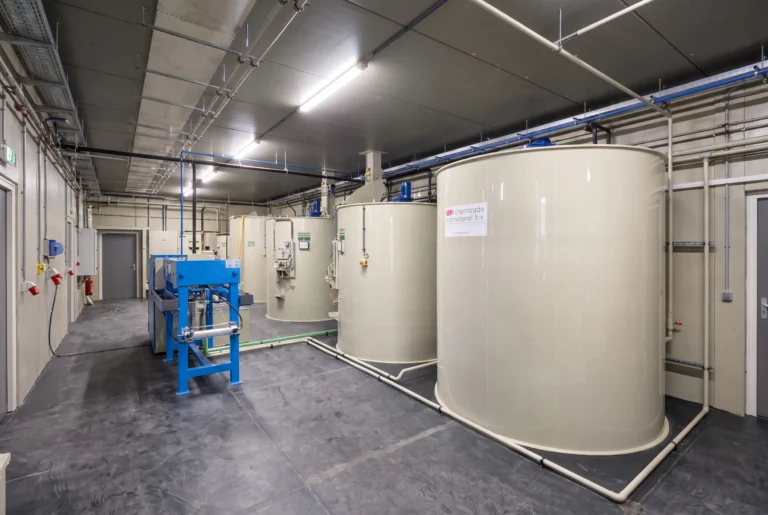
Industrial systems
We offer various solutions for larger wastewater flows exceeding 500 litres per hour.
Contact us with no obligation
We help you find a solution that enables you to comply with the discharge limits that apply to you.
- AddressDe Nieuwe Vaart 28
1401 GR Bussum - Phone+31 (0)35 694 74 54
- Email info@chemtrade.nl