Various techniques can treat industrial wastewater. Contaminants, volume and the required result determine the appropriate method. Below we explain physical and physicochemical treatment.
What is physicochemical water treatment
It is mainly used for wastewater that cannot be treated biologically, focusing on suspended matter, oil, soaps and dissolved inorganic substances such as heavy metals. Chemtrade International B.V. has extensive knowledge and experience and would be pleased to discuss your wastewater challenge.
Physical wastewater treatment
The simplest treatment separates contaminants from water using mechanical means such as screens and filters, or differences in density, as in an oil and water separator. Cascading settling tanks can improve solids settling. Wastewater flows from one tank to another as solids settle out. Depending on volume, this may require substantial space.
Physicochemical wastewater treatment
Physical treatment alone is insufficient for many streams, including dispersions and emulsions. Chemtrade International specialises in physicochemical treatment.
Additives release contaminants so that they can be removed. Treatment can include:
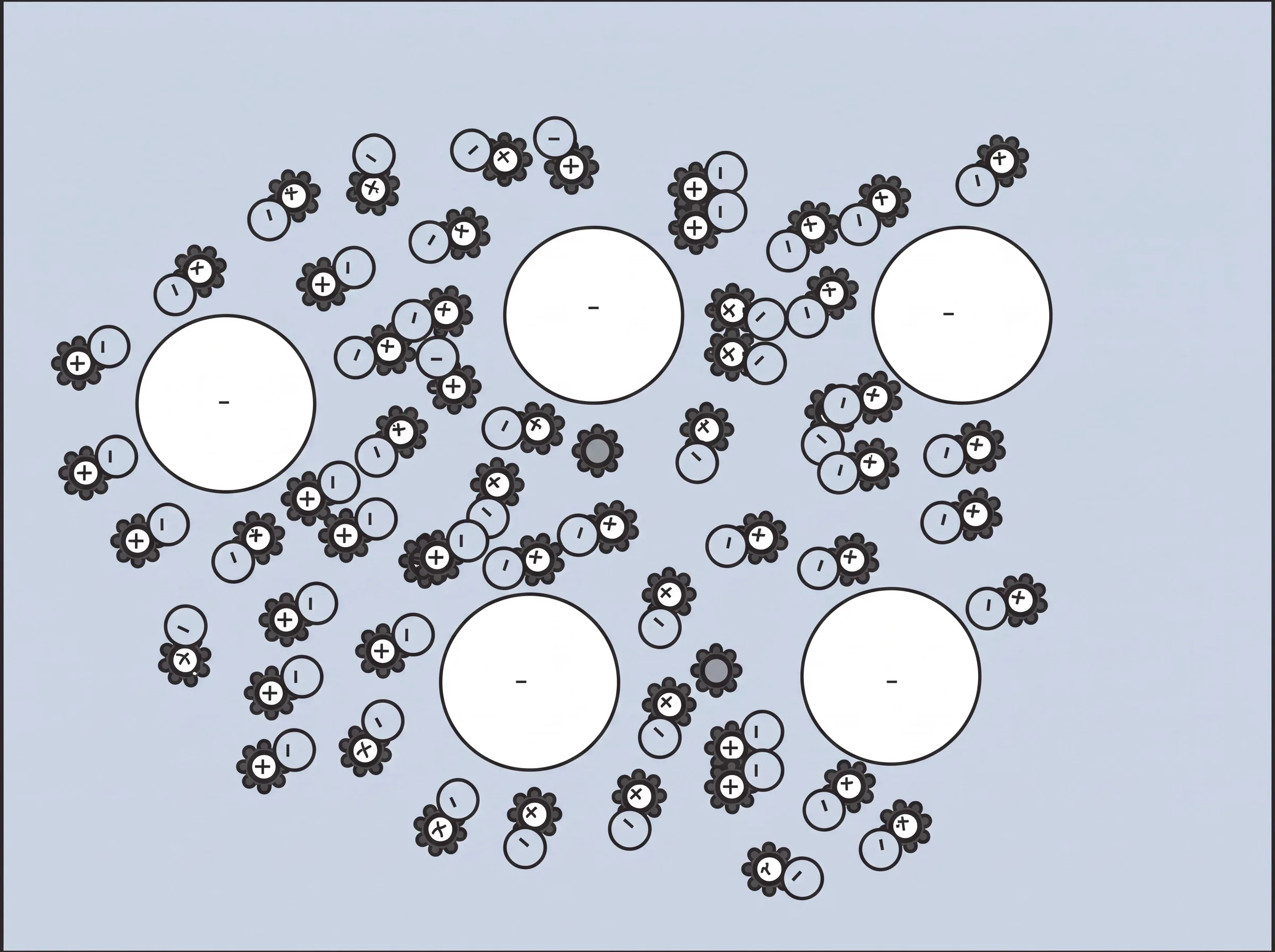
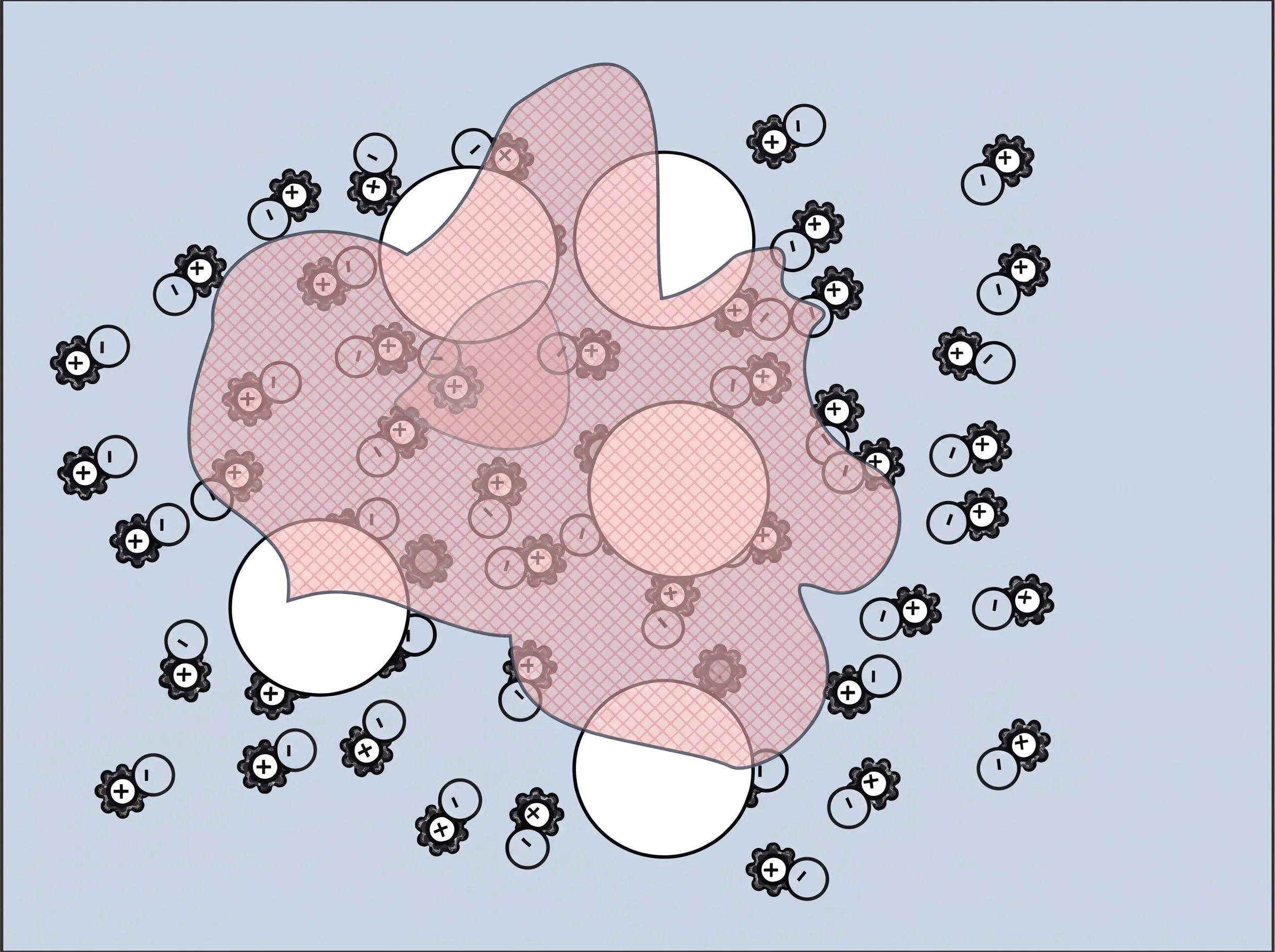
- Coagulation: adding a coagulant neutralises negatively charged particles. They no longer repel one another and aggregate, enabling sedimentation or flotation and subsequent removal.
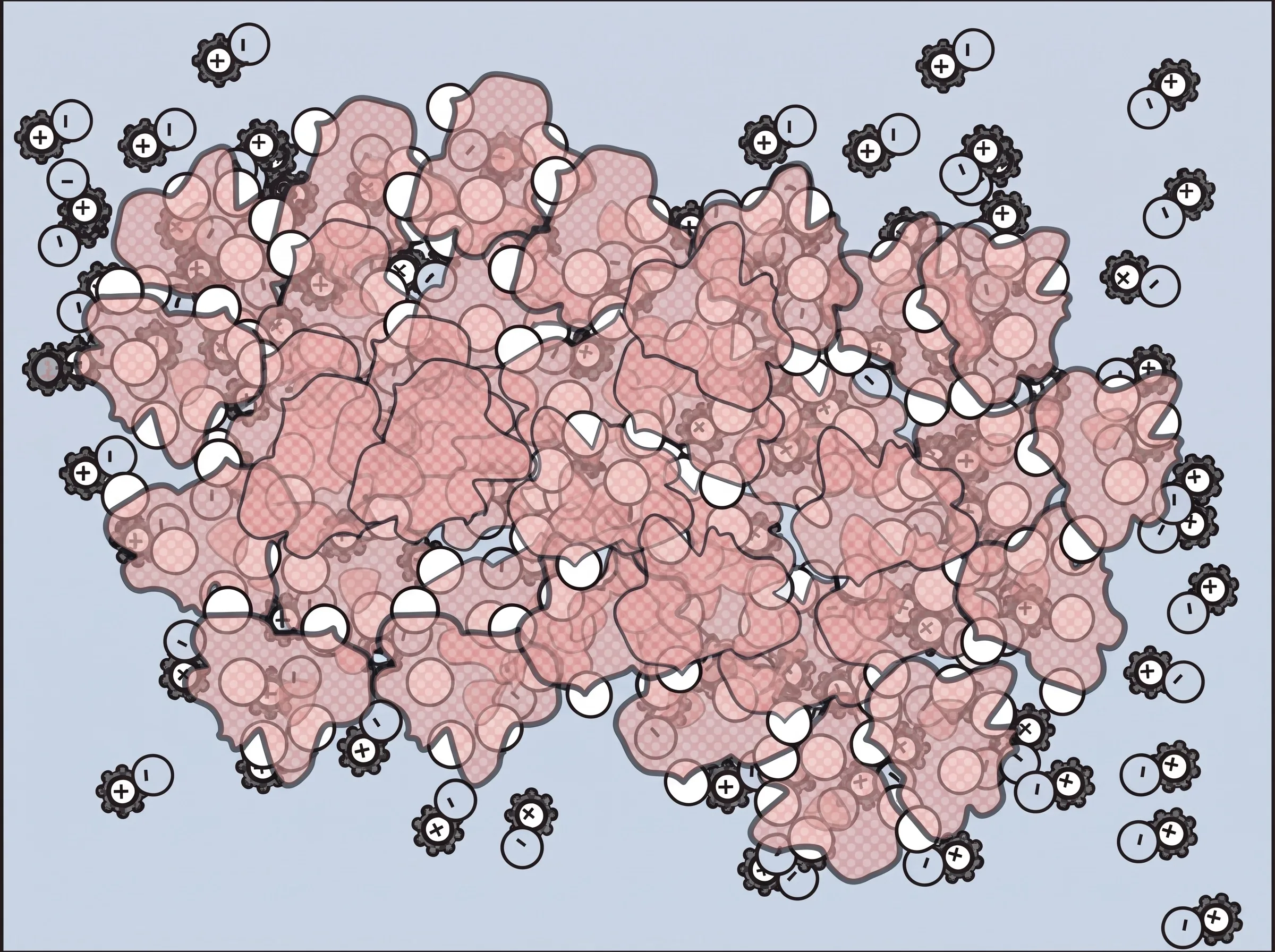
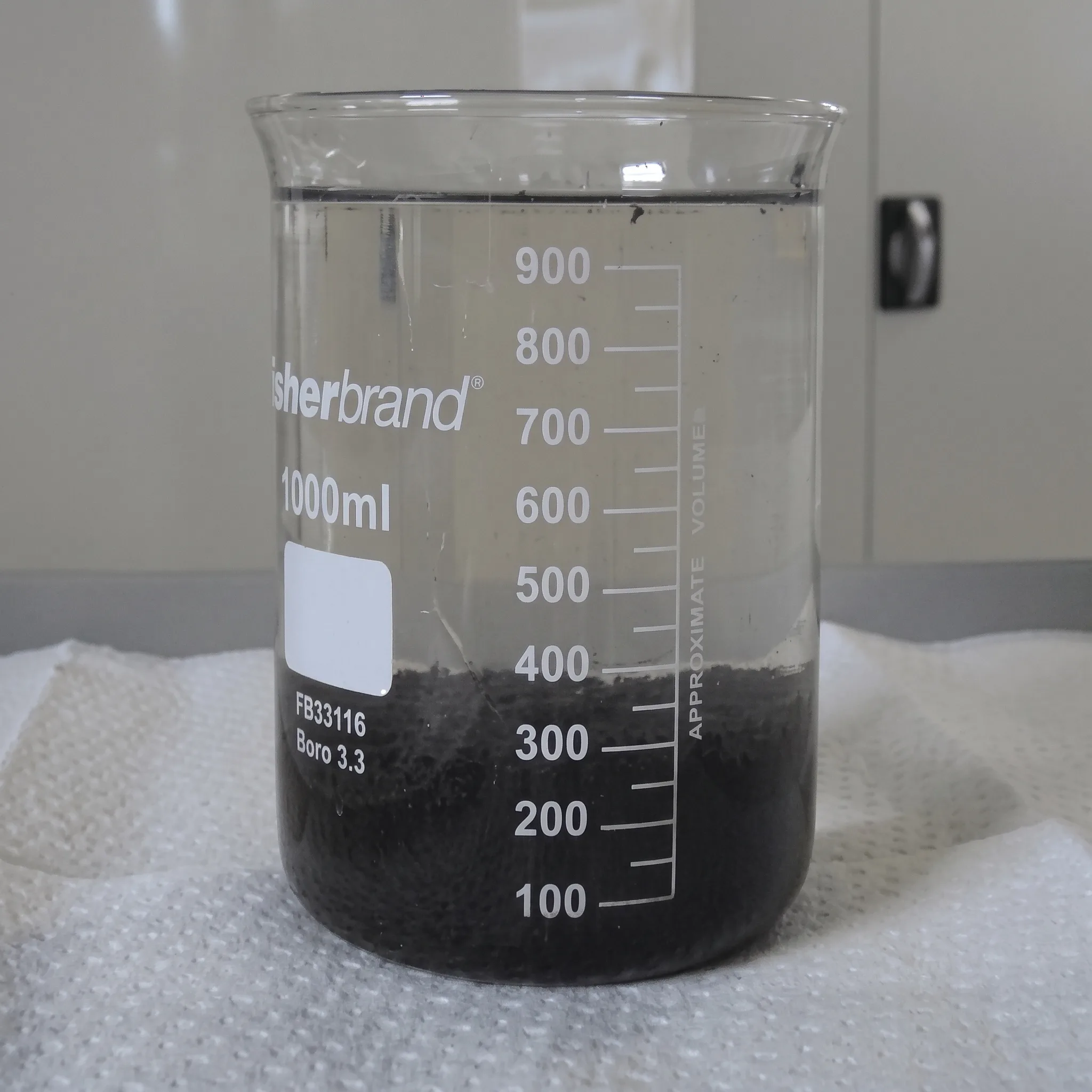
- Flocculation: a flocculant or polymer binds free particles into larger flocs. Increased weight accelerates settling. Alternatively, added air bubbles attach to the flocs and make them float.
- Absorption: a liquid or gas is taken into a solid, enabling contaminants to be removed from the water.
Other treatment stages
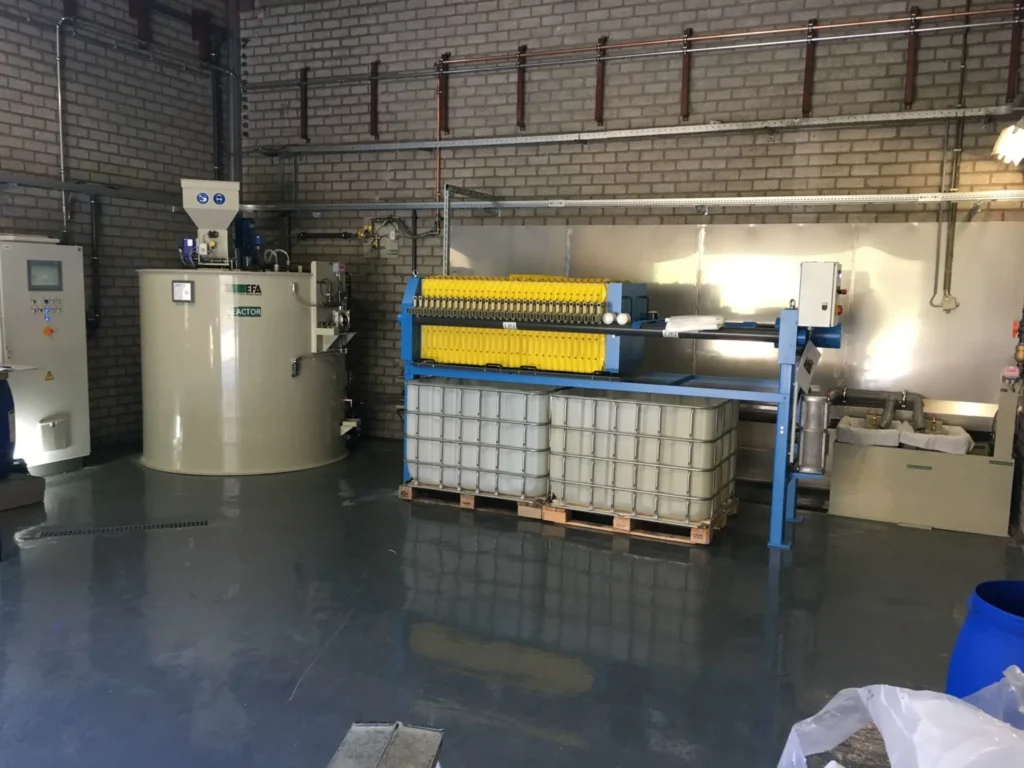
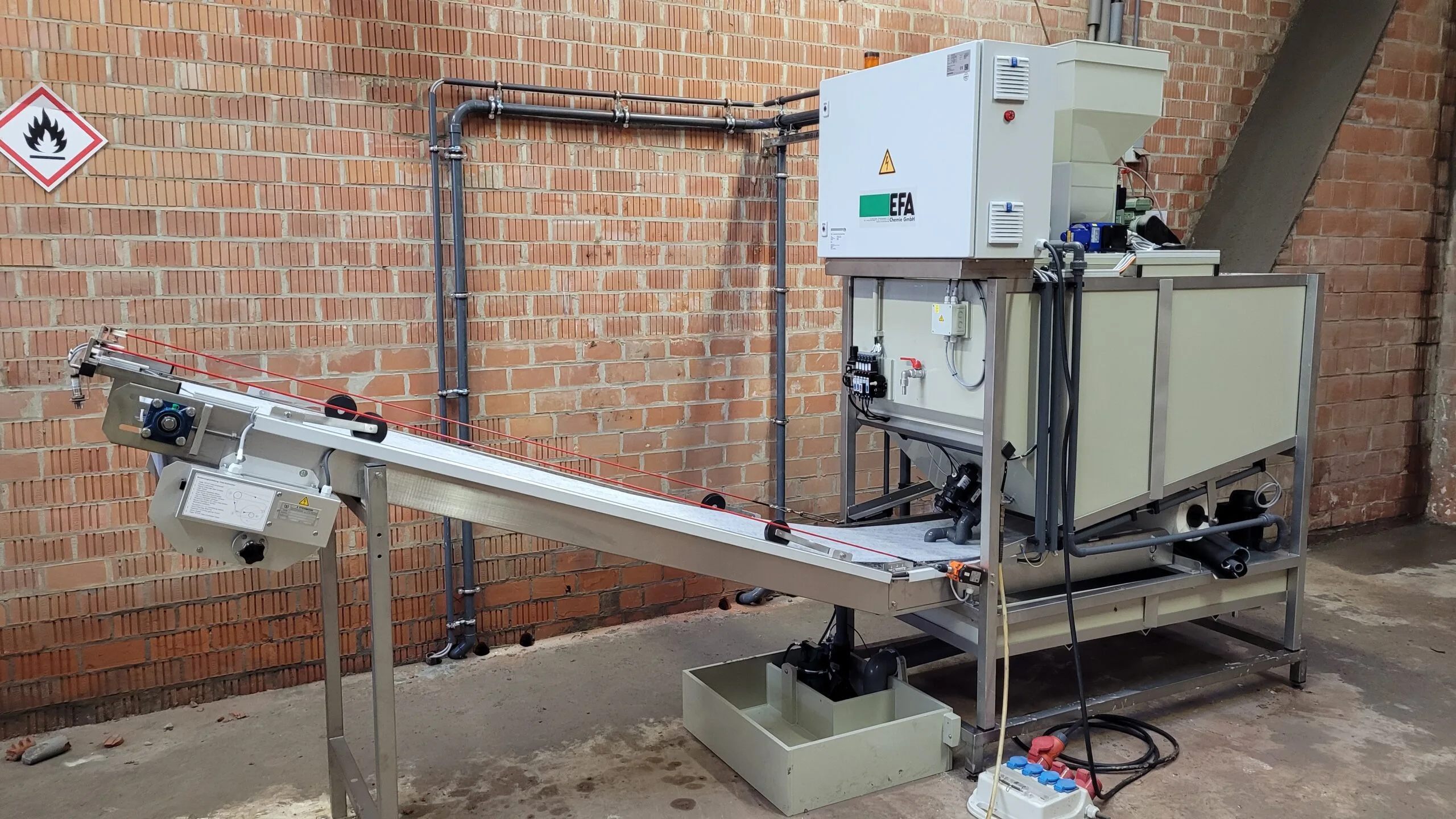
Further stages can include pH correction, dilution and additional emulsion breakers, for example for complexed heavy metals. After contaminant separation, sludge should be dewatered as effectively as possible.
The method depends on continuous or batch operation and sludge volume. Options include belt filters, chamber filter presses, filter big bags and decanter centrifuges.
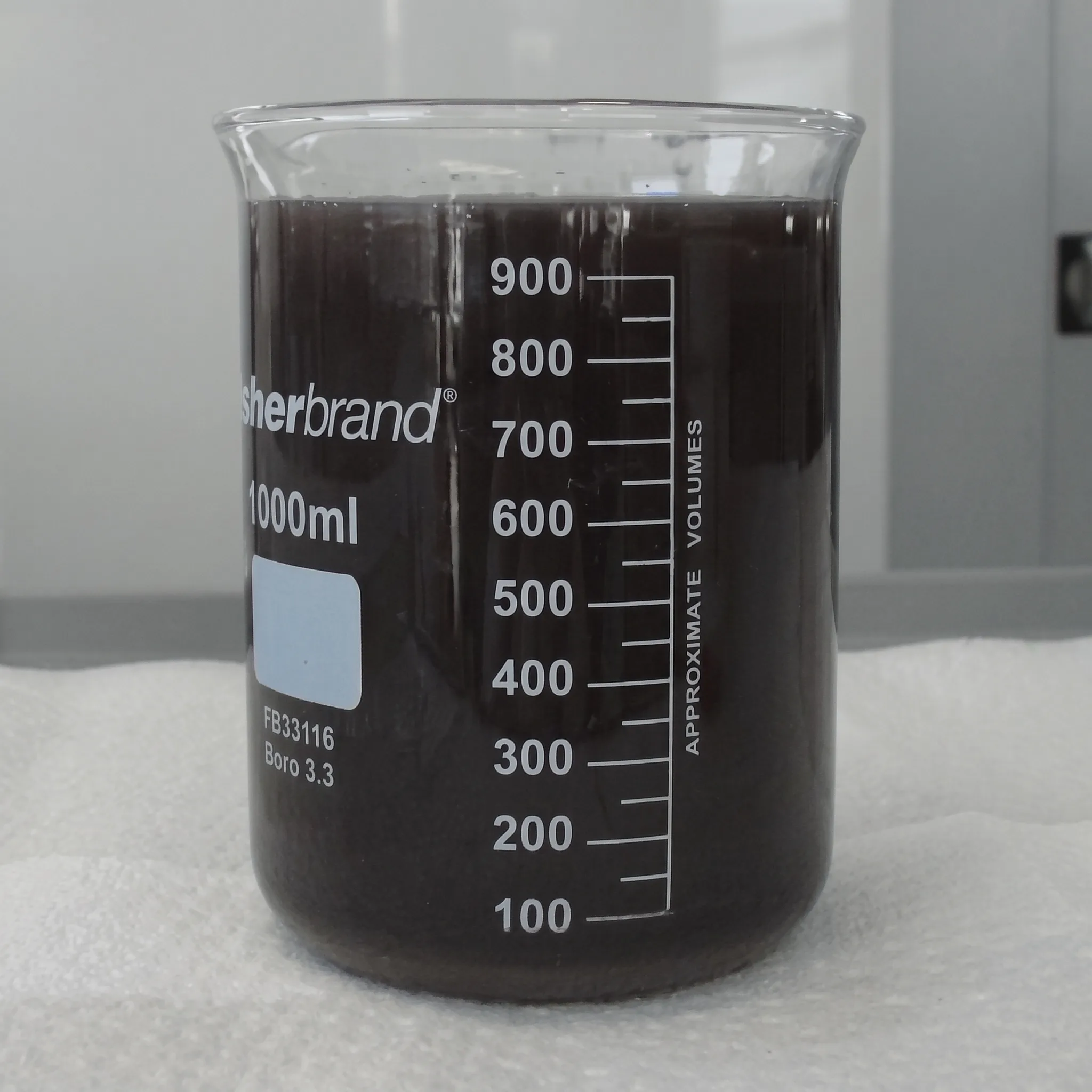
Stable dispersion
Dispersion déstabilise
Absorption
Polymérisation
Other intermediate stages may include pH correction, dilution and extra emulsion breakers. The resulting sludge requires further dewatering, according to the process and volume. Contact us for more information.
Wastewater dispersion
Flocculated wastewater dispersion